Commercial Cleaning Company MWAC
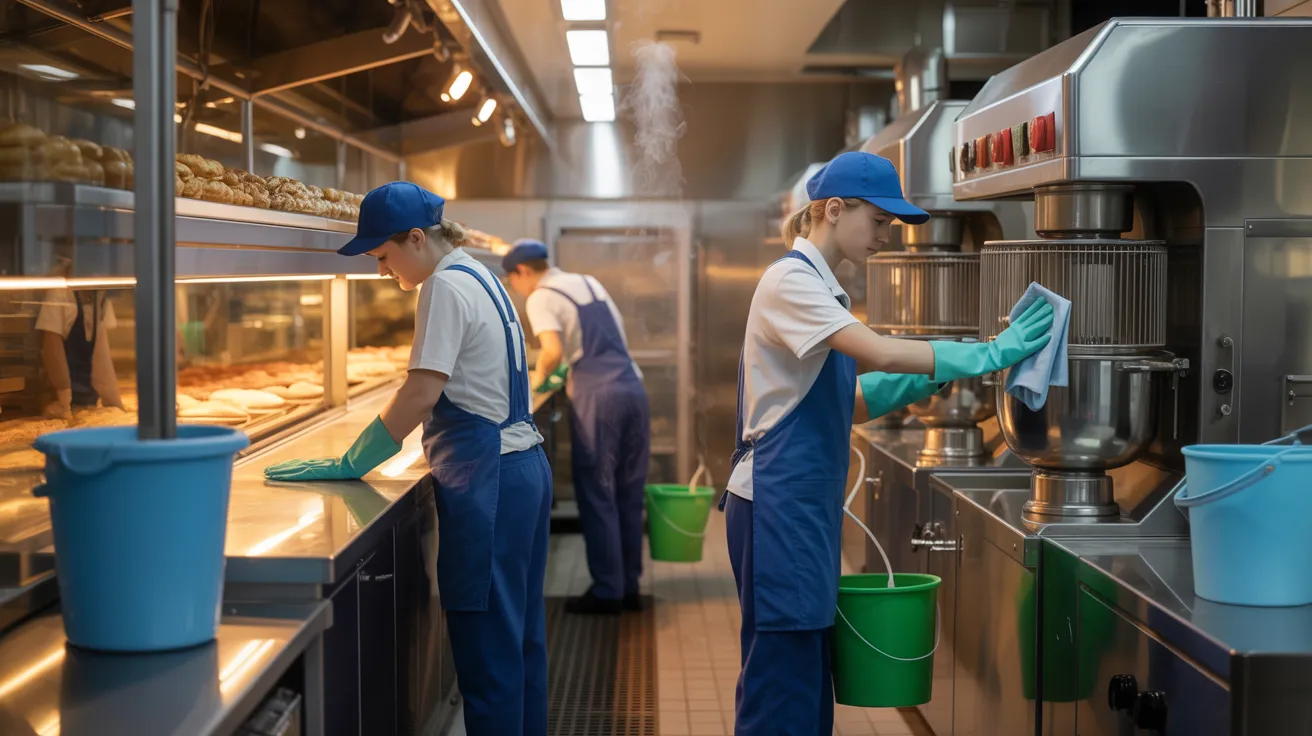
Professional sanitation and food safety professionals in Brampton support restaurants, food centers, baking facilities, warehouses, and food service operations staying compliant. They sanitize high-contact points, food contact areas, equipment, floors, drains, restrooms, and food handling spaces with approved chemicals, at correct dilution, and recording exposure duration. You need scheduled cleaning determined by hazard level, volume, allergens, and regulatory assessments, along with documented proof that support HACCP, audits, and regulatory adherence. The following information explains what strong sanitation programs should include.
Key Takeaways
- Brampton's sanitation professionals provide services to restaurants, grocery departments, commissaries, warehouses, bakeries, schools, mobile vendors, and allergen-sensitive operations.
- Area-specific procedures disinfect high-touch surfaces, food-contact equipment, kitchens, floors, drains, restrooms, and storage areas for eliminating cross-contamination.
- Validation of proper chemical concentration, suitability, and contact time is completed by approved contractors, with completion logged using samples, audits, and remedial documentation.
- Maintenance calendars must follow risk, production rate, changeovers, releases, and guidelines, with daily, periodic, and annual tasks designated by section.
- Contractors must have HACCP, sanitation competency, safety training training, coverage, credentials, color-categorized implements, and compliance-ready maintenance files.
Food Safety Cleaning Requirements for Brampton Operations
Brampton facilities that deal with, maintain, prepare, package, or provide food require food sanitation. Implement it if your establishment is covered by health department oversight, food standards, or HACCP systems. The obligation covers restaurants, cafeterias, commissaries, grocery food departments, butcher shops, seafood counters, convenience stores, and institutional kitchens.
You'll additionally need adherent sanitation standards in storage centers, processing facilities, refrigerated warehouses, bakery retailers, school nutrition programs, event halls, and delivery centers. Mobile and temporary operations apply too, like food trucks, festival vendors, and pop-up establishments. If your team work with ingredients, section ready-to-serve foods, heat meals, or keep allergens stored, your establishment requires established hygiene documentation. In Brampton, cleanliness continues to be necessary; it comprises legal, operational, and consumer protection compliance.
What Do Brampton Cleaning Professionals Handle?
Your facility requires professional cleaners who disinfect frequently contacted surfaces, kitchens, all floor types, and toilet facilities for food safety and health code adherence. These specific areas are emphasized because they represent the most significant contamination risk, hazardous walking conditions, and breaches of sanitation codes.
Understanding their cleaning procedures enables you to validate your operation's sanitation satisfies operational demands and regulatory compliance.
Critical High-Touch Surface Cleaning
set how often each area is sterilized
Maintaining a sequential process, rotating wipes, and keeping cleaning supplies according to section ensures that plan remains documented, documented, and ready for inspection continuously
Kitchens, Floors, and Restrooms
Brampton cleaning professionals will address kitchens, floors, and restrooms since each space presents different food safety concerns, injury, and community health challenges. In industrial kitchens, you need degreasing on cook lines, equipment exteriors, drains, prep surfaces, and splash zones to minimize bacterial growth and pest activity.
You should also expect documented floor care. is likewise provided as part of the service.
For restroom sanitation, cleaners disinfect touchpoints, fixtures, partitions, dispensers, and waste containers, then restock supplies and control odours. They also maintain restaurant cleaning supply rooms where product storage, sink cleanliness, and drain systems impact daily sanitation standards and worker protection.
The Importance of Food Safety Cleaning in Brampton
In Brampton, you must copyright food-safe cleaning standards to meet health code requirements and pass inspections. You also minimize bacterial spread through proper cleaning of food-preparation surfaces, appliances, and frequently-touched items. Most importantly, you help protect community wellness by reducing the chance of food poisoning in your establishment.
Sanitary Standards Adherence
Since Brampton food establishments must follow strict public health standards, your cleaning procedures directly influences your capacity to satisfy health codes, ensure the safety of diners, and prevent regulatory penalties. You must maintain hygienic food handling zones, written maintenance records, correct sanitizer application, and auditable operational standards that correspond to municipal and provincial inspection expectations.
Failure to maintain cleaning standards poses threats notices, compliance orders, brand harm, and potential disruption during additional reviews or enforcement reviews.
Cross-Contamination Prevention
Following health code standards depends on your ability to prevent cross-contamination in routine food work and sanitation. You should isolate raw items from prepared foods, sanitize prep surfaces between tasks, and maintain separation of cleaning products from food. Clear procedures reduce transfer risks and promote steady regulatory adherence.
Implementing allergen separation helps keep priority allergens from contacting communal work zones, bins, or devices. Utilize separate boards, color-labeled items, and clear tool marking so workers don't combine products during preparation or service. Require handwashing after handling raw meat, seafood, eggs, or allergen-containing products. Refresh cleaning cloths often, and validate disinfectant levels using test strips. When your team learns these guidelines per shift, you create a cleaner, safer operation that meets Brampton's food safety expectations daily.
Public Health Protection
When sanitation efforts weaken, you don't only risk a failed inspection—you expand the chance of food contamination affecting customers, staff, and the larger Brampton community. You also undermine your responsibility in safeguarding community wellness, especially in high-traffic food premises where pathogens travel quickly through surfaces, equipment, and touchpoints.
You need cleaning protocols that eliminate contaminants, disinfect properly, and confirm effectiveness. That means following exposure periods, using approved disinfectants, documenting schedules, and educating employees to meet health-unit expectations. These controls support disease prevention by lowering microbial loads before they contaminate surfaces or food. In Brampton, strong sanitation protects vulnerable populations, limits outbreak potential, and helps you demonstrate proper care. When you clean to standard, you don't just meet regulations—you substantially decrease danger and promote secure food handling citywide.
How Does Cleaning Support Food Safety Compliance?
Rigorous cleaning routines strengthen food safety compliance by lowering contamination exposure, managing pathogen expansion, and keeping your facility aligned with sanitation requirements under HACCP-based programs and public health regulations. You validate that contact surfaces appear visibly clean and microbiologically controlled, supporting documented preventive controls and inspection readiness.
Cleaning strategies additionally bolster allergen prevention by eliminating residues that can cause undeclared allergen exposure.
How Do You Arrange Commercial Cleaning Services?
Elevate cleaning rate during high-volume production, equipment changeovers, spill events, and following maintenance work.
Drains, ventilation systems, storage racks, and difficult-to-access areas require weekly or monthly cleaning, informed by inspection results and sanitation documentation.
Finding Quality Brampton Cleaning Experts: A Guide
Evaluate providers first by sanitation compliance standards rather than cost. You must ensure each provider understands CFIA, public health, and HACCP-aligned expectations for your business. Request proof of insurance, WHMIS compliance, staff training documentation, and supervision methods. Check technician awareness of contamination prevention, chemical safety, and traceable sanitation records.
Additionally, you need to evaluate operational reliability and accountability. Obtain references from Brampton food operations, then review service speed, corrective measures, and communication standards. Verify the company conducts supplier reviews and can deliver compliance-ready records when inspectors or external parties need proof. Verify equipment upkeep, color-coded equipment are applied correctly, and site-specific hazards are identified. A capable service protects compliance, product integrity, and your reputation.
What does a cleaning and sanitation plan encompass?
Create a written plan that defines every sanitation task, standard, and responsibility before production starts. You should document cleaning frequencies, approved chemicals, dilution rates, contact times, tools, and verification methods for each zone, surface, and piece of equipment. Don't forget to add pre-operational inspections, corrective actions, and employee training requirements.
Your strategy should also address contamination prevention controls, waste handling procedures, pest management measures, and written schedules for rest areas, drains, flooring, and food-contact surfaces. Detail how you'll keep raw and ready-to-eat processes separate, facilitate ingredient tracking, and ensure accurate allergen labeling through validated cleaning between product changes. You should set accountability, maintain signed records, and review results against regulatory standards, HACCP controls, and customer requirements. When gaps appear, update procedures immediately and retrain staff.
Frequently Posed Questions about the Plan
Will cleaning services manage nighttime hours at Brampton properties?
If you operate regulated spaces, you'll also need documentation that support inspections and ensure quality assurance.
Will Brampton cleaning experts address emergency spills?
Yes, you can find many Brampton sanitation experts offering emergency response services. They handle contamination, assess dangers, isolate zones, and perform swift decontamination to reduce exposure and prevent disruption. You should verify response times, certifications, safety measures, and procedures. If your facility must meet standards, pick a provider that logs events, maintains standards, and supports audits.
Can eco-friendly disinfectants be used safely on food preparation areas?
Absolutely, eco-friendly disinfectants are appropriate for surfaces contacting food when you select solutions certified for food use and complying with regulations. You must verify application timing, dilution rates, and rinsing needs before use. Plant-derived products decrease chemical hazards, though you still need proof of efficacy against relevant pathogens. For keeping surfaces residue-free, implement exact manufacturer guidelines and validate your cleaning agent meets food sanitation requirements.
Do maintenance plans allow for seasonal shifts?
Certainly, sanitation programs description respond to seasonal shifts well. Adapt timing, labor allocation, cleaning agents, and testing procedures to match with seasonal patterns while preserving regulatory requirements. Limit operational delays through scheduling cleaning around line changes, maximum output, and equipment use patterns. Additionally modify procedural documents, training, and environmental testing to address periodic risks, additional allergens, or higher contamination levels. Ongoing evaluations ensure the plan functional.
Are commercial cleaners providing employee instruction on sanitation best practices?
Yes, commercial cleaners often train your staff on sanitation best practices. You get staff training on correct chemical application, exposure periods, contamination control, equipment disassembly, and documentation. They generally follow training with HACCP, GMP, and CFIA or regional health department requirements. Many perform sanitation audits to verify compliance, identify gaps, and reinforce corrective actions. This allows you to maintain consistent procedures, pass inspections, and reduce food safety risks daily.
Summary
Through engaging Brampton commercial cleaning and food safety specialists, you accomplish much beyond organizing—you keep your operation prepared for audits and your procedures stay aligned with regulations. From kitchen spaces to processing areas, all clean areas and kept corners help prevent pest problems and avoid major losses. Through scheduling maintenance at proper intervals and adhering to a comprehensive cleaning program, you ensure protection for employees, clients, and your good name. Within strict regulatory frameworks, proper sanitation must be a priority—they are fundamental to success.